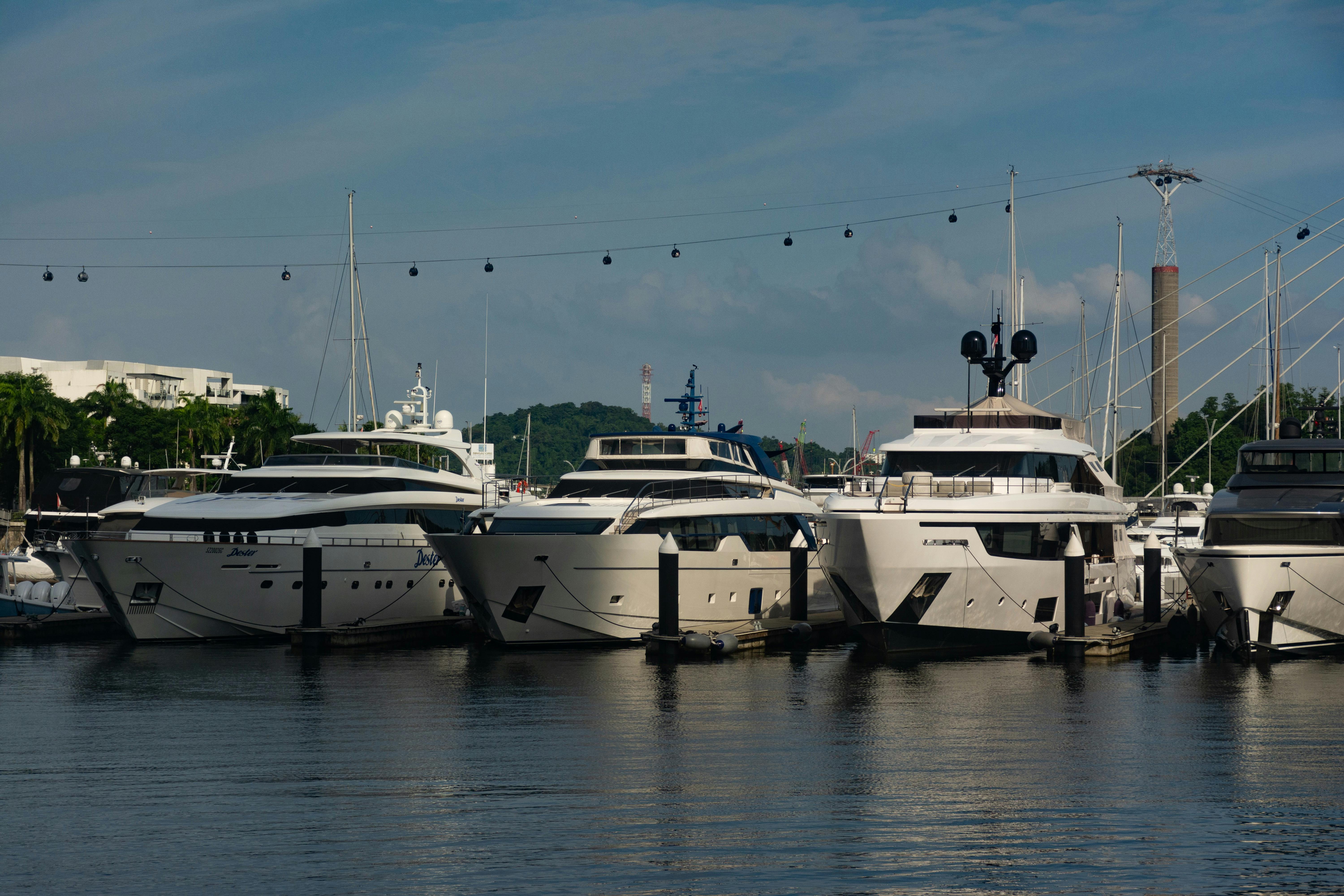
Suppose you enjoy boating and getting out on the water; in that case, you need always to make sure that you keep yourself protected by obtaining insurance. We strive to get all boat and watercraft owners insured here at The Firebird Agency because we know that accidents do happen, and some may not be preventable.
Boat/Watercraft Insurance Requirements
Arizona does not require boat owners to obtain insurance like car insurance. However, you may come across a marina requiring you to show proof of insurance if you plan to keep your boat docked with them. This is why it is still necessary to obtain insurance even if it is not required. If you financed your boat, you might also be required to show proof of insurance, depending on the company.
Coverage Options
There are several coverage options you can choose from to protect your boat or other watercraft, such as:
Collision damage- If your boat is involved in a collision by hitting another vessel, hitting an object in the water, or from vandalism or theft, physical damages are covered depending on the value of your boat.
Bodily injury liability- If you are found at fault for an accident that results in injury to another person, this coverage will cover the person’s medical expenses and lost wages concerning the accident.
Property damage- If you are responsible for damage to another person’s property, this coverage will protect you by covering the repair or replacement costs of the damaged property.
Uninsured boaters- If you are injured by another boater who does not have insurance, this coverage will cover you and your passenger's medical expenses, loss of wages, and legal fees.
Boat & Watercraft FAQ
Is boat insurance required by law?
In most U.S. states, boat insurance is not legally required. However, Utah is one exception that
technically mandates it by law. Even where it is not legally required, you will almost certainly need
it if you finance your boat (lenders require it) or dock at a marina (most marinas require proof of
liability insurance, typically $100,000–$300,000 minimum). We strongly recommend coverage for
all boat owners — a single boating accident can result in tens or hundreds of thousands of dollars
in damages, medical bills, and legal costs.
What does boat and watercraft insurance cover?
A standard boat or watercraft insurance policy typically covers:
• Physical damage (hull): Repairs or replacement of your vessel from collisions, sinking, fire,
storms, theft, and vandalism.
• Liability coverage: Bodily injury or property damage you cause to others while operating
your boat, including legal defense costs.
• Medical payments: Medical expenses for you and your passengers injured in a covered
accident, regardless of fault.
• Uninsured/underinsured boater: Protects you if you are struck by a boater who carries no
insurance or insufficient coverage.
• Fuel spill liability: Costs associated with accidental fuel spills from your vessel.
• Wreck removal: If your boat sinks, removal is often legally required and can be very
expensive.
Optional add-ons may include on-water towing assistance, fishing/sports equipment, personal
effects, mechanical breakdown coverage, and trailer coverage.
Does my homeowners insurance cover my boat?
Your homeowners policy may provide limited coverage for very small watercraft — such as
canoes, kayaks, small sailboats, or motorboats with engines under 25 horsepower — but
coverage is typically capped at a low dollar amount (often $1,000 or less in value). Larger, more
powerful, or more valuable boats are generally excluded or severely under-covered by
homeowners policies. If your boat is worth more than a few thousand dollars, a dedicated
watercraft insurance policy is the right choice.
How much does boat insurance cost?
Most recreational boat owners pay between $200 and $600 per year for boat insurance. A useful
rule of thumb is to budget approximately 1.5% of your boat's total value annually — for example, a
$20,000 boat costs roughly $300/year to insure, while a $100,000 motorboat may be closer to
$1,500/year. Personal watercraft (jet skis, PWCs) typically run $200–$600 annually. Rates vary
significantly by state: recent data shows averages ranging from around $267/year in low-risk
inland states to $839/year in coastal Florida. Larger yachts and specialty vessels can cost
considerably more.
What factors affect my boat insurance premium?
Many factors influence your premium, including:
• Boat type, size, age, and value — higher-value or higher-speed vessels cost more to insure.
• Engine type — diesel engines are considered lower risk than gasoline engines.
• Where you boat and store your vessel — coastal and hurricane-prone areas carry higher
premiums.
• How often and how you use your boat — frequent use or high-risk activities like racing
increase rates.
• Your boating history — accidents or violations raise costs; a clean record helps.
• Coverage limits and deductible amounts — higher limits cost more; higher deductibles lower
your premium.
• Safety features — GPS units, radar, fire suppression systems, and VHF radios can qualify
for discounts.
• Safety course completion — completing a recognized boating safety course often earns a
10–15% discount.
What is the difference between Agreed Value and Actual Cash Value?
This is one of the most important distinctions in a boat policy:
• Agreed Value: You and the insurer agree upfront on the value of your vessel. In the event of
a total loss, you receive that full agreed amount with no depreciation deducted. This is generally
the preferred option for boat owners.
• Actual Cash Value (ACV): The insurer pays the market value of the boat at the time of the
loss, taking depreciation into account. For an older boat, this payout could be significantly less
than what you paid or what repairs would cost.
• Replacement Cost: Some policies offer to replace your boat with a comparable new model,
regardless of depreciation.
We recommend discussing the pros and cons of each with your agent based on your vessel's age
and value.
What is a deductible, and how does it work?
A deductible is the amount you pay out of pocket before your insurance coverage kicks in for a
covered claim. For example, if your boat suffers $5,000 in damage and you have a $500
deductible, you pay $500 and your insurer covers the remaining $4,500. Boat policies may use
fixed deductibles (a flat dollar amount per claim) or percentage deductibles (a percentage of the
insured value — common for yachts, e.g., 1% of a $100,000 boat = $1,000 deductible). In general,
choosing a higher deductible lowers your annual premium, but means more out-of-pocket costs if
you file a claim. Choose a deductible you can comfortably afford.
Are passengers covered under my boat insurance policy?
Yes — in most cases, liability coverage extends to injuries your passengers suffer in an accident,
and medical payments coverage can help pay their medical bills regardless of fault. Additionally,
anyone you give permission to operate your boat is generally covered under your policy. However,
coverage specifics vary by insurer, so it is important to review your policy carefully and discuss
passenger coverage with your agent to ensure everyone on board is protected.
Is my boat covered while it is being trailered or stored on land?
Coverage during overland transport and storage varies by policy. Many policies do provide
coverage while your boat is being trailered to and from the water, but you should confirm this with
your insurer. Trailer coverage (for the trailer itself) is often available as an add-on. For storage on
land — whether in a marina, boatyard, or your property — most policies extend coverage, but it is
always wise to verify. If your boat is in a hurricane-prone region, ask specifically about windstorm
and named-storm coverage during storage.
Is a jet ski or personal watercraft (PWC) covered under a boat policy?
Generally, no. Most insurers require a separate policy for personal watercraft such as jet skis,
Sea-Doos, and WaveRunners. PWC policies function similarly to boat insurance and can include
liability, physical damage, medical payments, and uninsured boater coverage. If you own both a
boat and a PWC, ask about bundling them with the same insurer for a potential discount.
What discounts are available on boat insurance?
Common discounts include:
• Safe boating course discount: Completing a USCG-approved or NASBLA-recognized
boating safety course typically earns 10–15% off your premium.
• Multi-policy (bundling) discount: Insuring your boat with the same company as your home or
auto policy can save 15–25%.
• Lay-up discount: If you live in a seasonal climate and store your boat during winter months,
ask about a lay-up discount for the months it is out of service.
• Diesel engine discount: Diesel-powered boats are considered lower fire risk and may qualify
for reduced rates.
• Safety equipment discount: GPS units, VHF radios, radar, fire extinguishers, and other
safety features can reduce your premium.
• Claim-free discount: A clean claims history often earns preferred rates over time.
What is my coverage territory — where am I covered?
Most standard boat insurance policies cover boating on inland waterways and coastal waters
within a defined navigational area, commonly within 75 miles of U.S. and Canadian coastlines. If
you plan to boat in offshore, international, or distant coastal waters, you may need to purchase
extended navigational territory coverage. Always inform your insurer of where you plan to operate
your vessel — if an incident occurs outside your covered territory, your policy will not respond.
What should I do if I need to file a boat insurance claim?
If you are involved in an accident or your boat is damaged, take these steps:
1. Ensure the safety of all persons on board — call emergency services if anyone is injured.
2. Document the incident thoroughly with photos, videos, and written notes.
3. Get the contact and insurance information of any other parties involved.
4. Report the incident to the appropriate authorities if required (e.g., U.S. Coast Guard, local law
enforcement).
5. Contact your insurance agent or insurer as soon as possible to report the claim.
6. Avoid making or agreeing to any repairs until your insurer has inspected the damage.
Keep all receipts and records related to the incident, as these will support your claim.
This FAQ is for informational purposes only and does not constitute legal or insurance advice. Coverage terms, exclusions, and availability vary by insurer and state. Consult a licensed insurance professional at The Firebird Agency for guidance specific to your situation.
Request a Quote
Tell us a little about what you need for Boat and Watercraft Insurance and our team will follow up with next steps.
While our offices are located in Arizona and California, we are licensed all over the country.