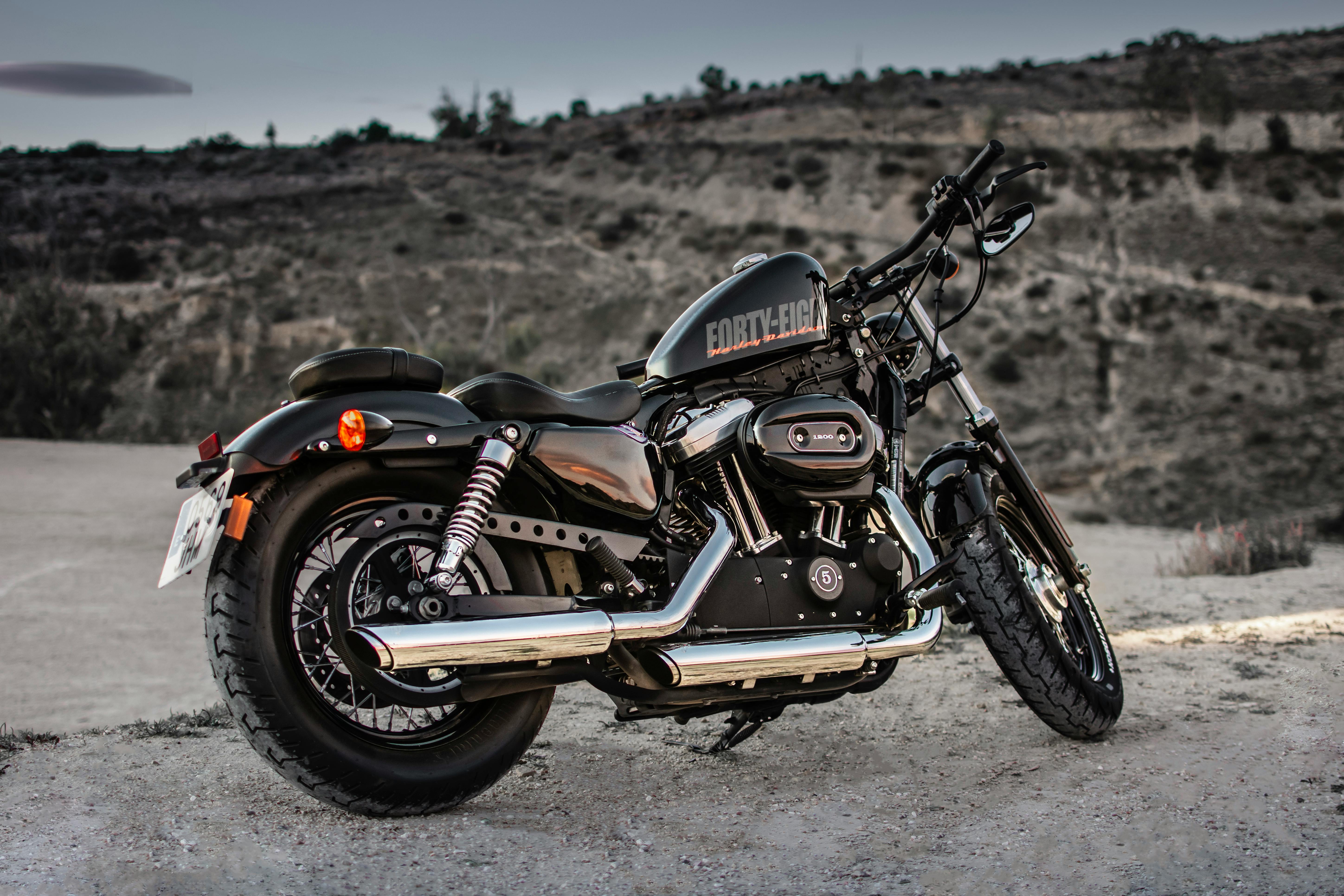
Motorcycle insurance is a breath of fresh air to have because you put yourself at risk while on the roads without it. We can help you get the insurance policy that fits your needs here at The Firebird Agency. In the event of an accident, if you do not have insurance, you will be financially responsible for any damages if you are at fault. You can also face penalties and consequences.
Motorcycle Insurance Requirements
To protect other riders as well as yourself, Arizona requires all motorcycle owners to obtain the minimum motorcycle insurance, which includes:
For one person, they must get bodily injury coverage of at least $25,000
For two or more persons, bodily injury coverage of $500,000 must be obtained
A person must also carry at least $15,000 in property damage liability
It is vital to carry bodily injury coverage since it covers lost wages, medical bills, and disability if another person gets injured in an accident. Property damage coverage is also essential to obtain because it covers repair expenses and replacements of another person’s landscaping, mailboxes, and of course, vehicles.
Additional Coverage
Coverage for motorcycles are similar to regular automobile coverage that includes:
Comprehensive- This option will cover your motorcycle if it is damaged by something other than a vehicle. Repairs can be covered for damage resulting from fire, theft, hail, and more.
Collision- This option will cover your motorcycle if it is damaged due to an accident with another vehicle.
Uninsured/underinsured- Protects you against drivers who do not have enough insurance (or any insurance) and are at fault for an accident.
Custom equipment- Covers aftermarket parts and equipment not installed via the manufacturer.
Quotes
Contact The Firebird Agency's office today to obtain a quote.
Motorcycle Insurance FAQ
Is motorcycle insurance required by law?
Yes, motorcycle insurance is required in 49 out of 50 states. Before you can register your
motorcycle and receive a license plate, you must show proof of insurance. Most states require at
minimum bodily injury liability and property damage liability coverage. Minimum requirements are
commonly expressed as 25/50/10 — meaning $25,000 in bodily injury per person, $50,000 per
accident, and $10,000 in property damage. Even in states where it is not legally mandated,
carrying insurance is strongly recommended to protect yourself financially in the event of an
accident, theft, or other unexpected loss.
What types of coverage does motorcycle insurance include?
Motorcycle insurance typically includes the following coverage types:
• Liability Coverage – Pays for bodily injury and property damage to others if you are at fault in an
accident.
• Collision Coverage – Covers repairs to your motorcycle after an accident, regardless of fault.
• Comprehensive Coverage – Protects against non-collision events such as theft, fire, vandalism,
and weather damage.
• Uninsured/Underinsured Motorist (UM/UIM) – Covers your injuries and damages if you are hit by
a driver who has no insurance or insufficient coverage.
• Medical Payments / Personal Injury Protection (PIP) – Pays medical expenses for you and your
passengers regardless of fault.
• Custom Parts & Equipment – Covers aftermarket accessories and upgrades beyond standard
limits.
• GAP Insurance – Pays the difference between the motorcycle's actual cash value and your
remaining loan balance if the bike is a total loss.
• Roadside Assistance – Covers towing, fuel delivery, and tire changes.
• Rental Reimbursement – Helps pay for a rental vehicle while your bike is being repaired.
How much does motorcycle insurance cost?
Motorcycle insurance costs vary widely based on several factors. On average, riders in the U.S.
pay between $25 and $200 per month. Liability-only policies typically average around $25 per
month nationally, while full coverage policies average around $30–$35 per month (approximately
$364 per year). Rates are influenced by your age, riding experience, driving record, the type and
value of your motorcycle, your location (ZIP code), and the coverage options you select. High-
performance sport bikes generally cost more to insure than standard cruisers due to their higher
accident and repair costs.
What factors affect my motorcycle insurance premium?
Several factors will impact how much you pay for motorcycle insurance:
• Type of motorcycle – Sport and high-displacement bikes rate higher than standard or cruiser
models.
• Your age and riding experience – Newer riders typically pay more than experienced ones.
• Driving/riding history – Traffic violations and at-fault accidents increase your premium.
• Location – Your ZIP code affects theft risk and accident density.
• Coverage level and deductible – More coverage means higher premiums; a higher deductible
lowers your premium but increases your out-of-pocket cost in a claim.
• Credit history – In many states, a good credit score can help keep rates lower.
• Secure storage – Keeping your bike in a locked garage can reduce your premium.
• Continuous insurance history – Having a lapse in coverage can raise your rates.
What discounts are available on motorcycle insurance?
Many insurance providers offer a range of discounts that can significantly reduce your premium,
including:
• Motorcycle Safety Foundation (MSF) course completion discount
• Clean driving record discount
• Multi-policy / bundling discount (insuring multiple vehicles or combining with home/renters
insurance)
• Safe storage discount (locked garage or secured storage unit)
• Membership in motorcycle clubs or organizations
• Anti-theft device installation
• Loyalty or renewal discounts
• Paid-in-full discount
Always ask your insurer which discounts you qualify for — combining several can result in
meaningful savings.
Do I need to insure my motorcycle year-round if I only ride seasonally?
It is generally recommended to maintain coverage year-round, even during the off-season. Here's
why: homeowners and renters insurance typically excludes motor vehicles — including
motorcycles stored in a garage — from personal property coverage. Without motorcycle
insurance, your bike is unprotected against theft, vandalism, fire, and weather damage while in
storage. Some insurers offer 'lay-up' or 'seasonal' policies that allow you to suspend liability and
collision coverage during winter months while keeping comprehensive coverage active for
storage-related risks. Canceling your policy entirely may result in early cancellation fees, loss of
your continuous coverage discount, and higher rates when you reinstate the policy.
What is the difference between liability-only and full coverage motorcycle insurance?
Liability-only insurance covers damage or injury you cause to other people and their property in an
accident. It does not pay for repairs to your own motorcycle. Full coverage typically refers to a
policy that combines liability, collision, and comprehensive coverage. Collision covers repairs to
your bike after an accident, and comprehensive covers non-collision events like theft, fire, or
weather damage. Full coverage is often required if your motorcycle is financed or leased. While
liability-only is cheaper, it leaves your own bike unprotected. The right choice depends on your
motorcycle's value, your financial situation, and whether you have a loan on the bike.
Does motorcycle insurance cover my passengers?
Yes, most motorcycle insurance policies include coverage for passengers. Liability coverage can
help pay for a passenger's injuries if you are at fault in an accident, while medical payments
coverage typically applies to both you and your passenger regardless of fault. Some policies also
offer guest passenger liability as an optional add-on. The extent of passenger coverage can vary
between insurers and policies, so it's a good idea to confirm passenger protection with your agent
before riding with a pillion.
Are custom parts and aftermarket accessories covered?
Standard collision and comprehensive coverage typically include a limited dollar amount for
custom parts and equipment — often in the range of $1,000 to $3,000. If you've added significant
aftermarket accessories such as custom chrome, upgraded exhaust systems, specialty seats, or
other modifications, you may need to purchase additional custom parts and equipment (CPE)
coverage. Some insurers offer up to $10,000 in custom parts coverage with an endorsement. Be
sure to document and disclose all modifications to your insurer to ensure they are properly
covered.
What is GAP insurance and do I need it?
GAP (Guaranteed Asset Protection) insurance covers the difference between your motorcycle's
actual cash value (ACV) at the time of a total loss and the remaining balance you owe on your
loan or lease. Because motorcycles depreciate in value after purchase, your insurance payout
after a total loss may be less than what you still owe the lender. For example, if your bike is totaled
and is worth $10,000 but you owe $14,000 on the loan, GAP insurance would cover the $4,000
shortfall. GAP coverage is particularly worth considering if you financed a large portion of your
bike's purchase price or made a small down payment.
What is uninsured/underinsured motorist coverage and why does it matter?
Uninsured motorist (UM) and underinsured motorist (UIM) coverage protects you if you're involved
in an accident caused by a driver who either has no insurance or doesn't have enough coverage
to pay for your damages. This coverage can pay for medical bills, lost wages, and in some states,
property damage to your motorcycle. Given that motorcyclists are statistically more vulnerable in
accidents, UM/UIM coverage is widely recommended. It is required in some states and optional in
others. If you are hit as a pedestrian, this coverage may also apply.
Can I get motorcycle insurance if I'm a new or first-time rider?
Yes, new and first-time riders can obtain motorcycle insurance, though premiums may be higher
due to limited riding experience. Insurers view inexperienced riders as a greater risk. You can help
reduce your rates by completing a recognized motorcycle safety course (such as through the
Motorcycle Safety Foundation), choosing a less powerful or lower-displacement bike, maintaining
a clean driving record, and shopping around for competitive quotes. Some insurers specialize in
coverage for new riders and offer programs tailored to help them get started at reasonable rates.
Does my car insurance policy cover my motorcycle?
No. Your personal auto insurance policy does not extend coverage to a motorcycle. Motorcycles
require their own separate insurance policy. Similarly, a homeowners or renters insurance policy
does not cover a motorcycle — even when it is stored in your garage. If you already have auto
insurance with a particular provider, however, you may be able to bundle a motorcycle policy with
them to receive a multi-policy discount.
What should I do if I'm involved in a motorcycle accident?
If you are involved in a motorcycle accident, you should:
1. Ensure your safety and the safety of others — move to a safe location if possible.
2. Call 911 if there are injuries or significant property damage.
3. Exchange insurance information, name, and contact details with the other party.
4. Document the scene — take photos of damage, vehicle positions, road conditions, and any
injuries.
5. Gather contact information from any witnesses.
6. Notify your insurance company as soon as possible to begin the claims process.
7. Do not admit fault at the scene.
Contact your insurer promptly, as most policies require timely reporting of accidents.
How do I choose the right amount of motorcycle insurance coverage?
Choosing the right coverage level involves balancing protection with affordability. Consider the
following:
• State minimums are a starting point, but they may not be sufficient to cover the full cost of a
serious accident.
• If your bike is financed, your lender will likely require collision and comprehensive coverage.
• Higher liability limits protect your personal assets if you are sued after an accident.
• Consider the replacement value of your motorcycle when deciding on comprehensive and
collision coverage.
• Factor in your riding habits — frequent highway riding or commuting may warrant more robust
coverage than occasional weekend rides.
Talking with a licensed insurance agent is the best way to tailor a policy to your specific needs,
budget, and riding situation.
Note: Insurance requirements and coverage options vary by state. Always consult with a licensed
insurance professional with The Firebird Agency to determine the coverage that is right for your
situation.
This FAQ is for informational purposes only and does not constitute legal or insurance advice. Coverage terms, exclusions, and availability vary by insurer and state. Consult a licensed insurance professional at The Firebird Agency for guidance specific to your situation.
Request a Quote
Tell us a little about what you need for Motorcycle Insurance and our team will follow up with next steps.
While our offices are located in Arizona and California, we are licensed all over the country.